
What Do Caregivers Need Most? (Hint: It’s Money - but not for the reason you think)
If you’re caring for someone right now, you already know the truth:
You can love someone deeply and still be drowning.
Most caregivers don’t need another motivational quote.
They don’t need a “hang in there.”
They don’t need someone telling them to “practice self‑care.”
They need money.
Not because money magically fixes everything — but because without it, nothing in caregiving is sustainable. And yet, caregivers are constantly told that what they really need is “support,” as if support can be purchased with exhaustion and goodwill.
Let’s talk about the part nobody says out loud.
The Real Problem Isn’t Just Low Pay — It’s the Mindset Caregivers Are Trained Into
Caregivers are some of the most capable, intuitive, emotionally intelligent people on the planet.
But the system they work in teaches them to think small.
It teaches them:
that caregiving is “low‑value” work
that $15/hr is normal
that burnout is inevitable
that needing help is a personal failure
that financial struggle is just part of the job
And when you’re surrounded by people who believe the same thing, it starts to feel true.
But here’s the deeper issue:
Caregivers aren’t failing. Their thinking has been shaped by a system that was never built for them.
Corporate caregiving, agency caregiving, in‑home caregiving — these are all legitimate systems. But they were designed to make investors wealthy, not caregivers stable.
And when you’re operating inside a system built for someone else’s benefit, “support” becomes a luxury you can’t afford.
The Moment the System Cracks Open
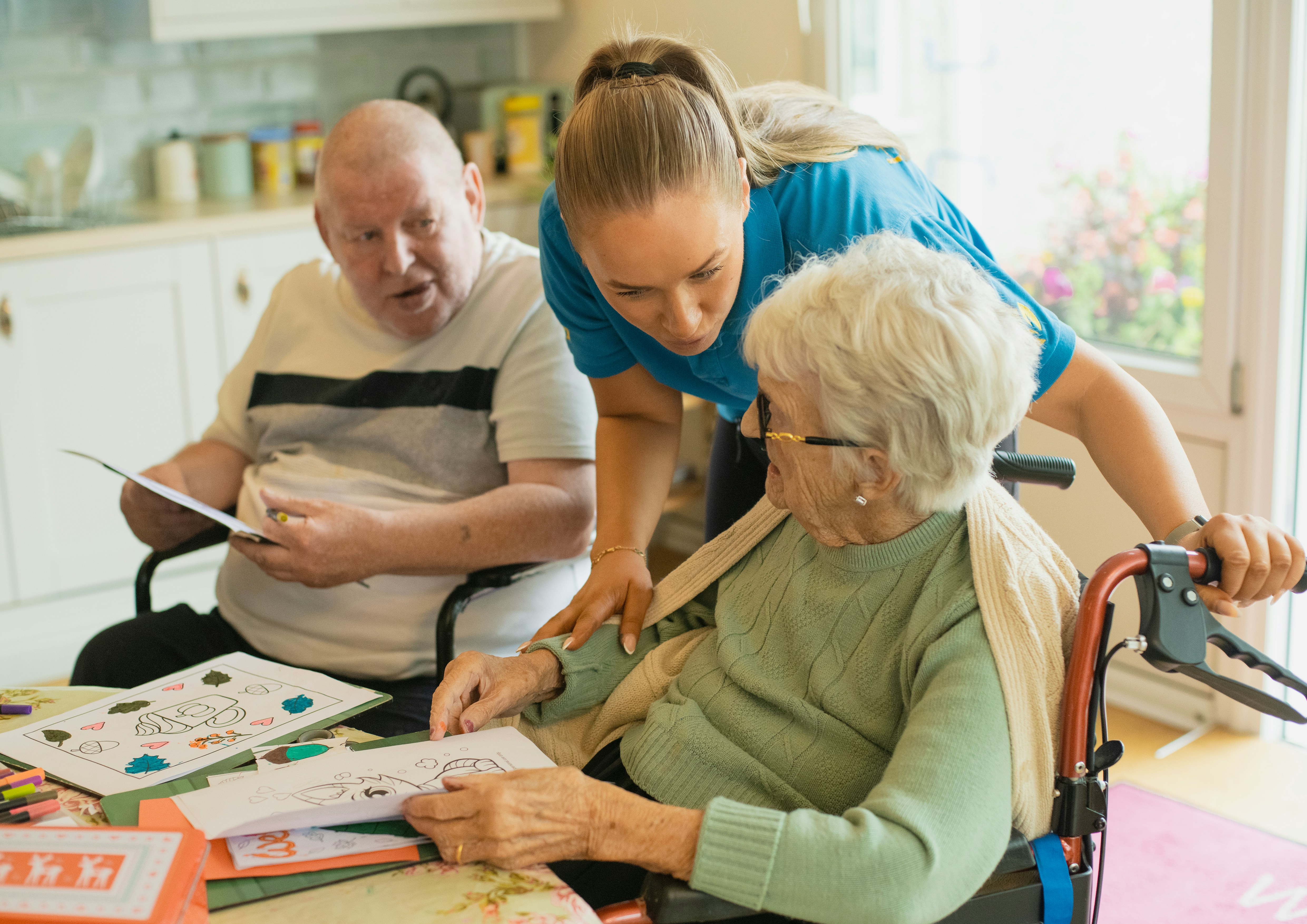
Every once in a while, a caregiver walks into a family‑based care home — a real one, not a corporate imitation RAL building — and something inside them shifts.

They look around and say:
“I didn’t know this was possible.”
They see:
calm instead of chaos
relationship instead of rush
dignity instead of paperwork
income that actually reflects the value of the work
a caregiver who isn’t drowning
And in that moment, the old world stops making sense.
Not because they suddenly want more money — but because they finally see what money makes possible:
help, rest, stability, breathing room, joy.
They realize they’ve been living inside a box they didn’t know existed.
The Part of Their Old Life They Can’t Go Back To
Caregivers don’t leave their $15/hr jobs because they suddenly become greedy.
They leave because they finally understand what they’ve been settling for.
It’s like the old lesson:
Dogs don’t actually love bones.
They love steak — they just settle for bones because that’s what they’re given.
Most caregivers have been handed bones their entire career:
low pay
no support
no autonomy
no path forward
no recognition
And they’ve been told to be grateful for it.
But once they taste “steak” — real income, real support, real ownership — they can’t un‑see it.
They can’t pretend bones are enough.
What Comes Back to Life First
This is the part that matters most.
When caregivers step into a model where they earn $10,000–$15,000/month instead of $15/hr…
When they stop drowning and start breathing…
When they get to be who they were created to be instead of who the system forced them to be…

The first thing that comes back is joy.
Not the performative kind.
Not the “I’m fine” kind.
The real kind — the kind that bubbles up unexpectedly, like a giggle you didn’t plan.
I’ve watched caregivers rediscover themselves in real time.
I’ve watched them go from depleted to delighted.
I’ve watched them realize that people are paying them to do the same work they’ve always done — except now they’re valued for it.
That’s what money does.
Not luxury.
Not greed.
Not excess.
It gives caregivers their life back.
If this felt familiar…
If any part of this hit close to home, that’s because you’ve been carrying more than anyone should have to carry alone.
You’re not stuck.
You’re not failing.
You’re not supposed to survive caregiving on scraps.
If you want to explore what a different path could look like, you can:
take the Caregiver Escape Room Quiz
or start your Caregiver Escape Plan
No pressure.
No urgency.
Just a gentle next step toward something that might finally feel like relief.